

What Is Lubrication?
Lubrication Meaning
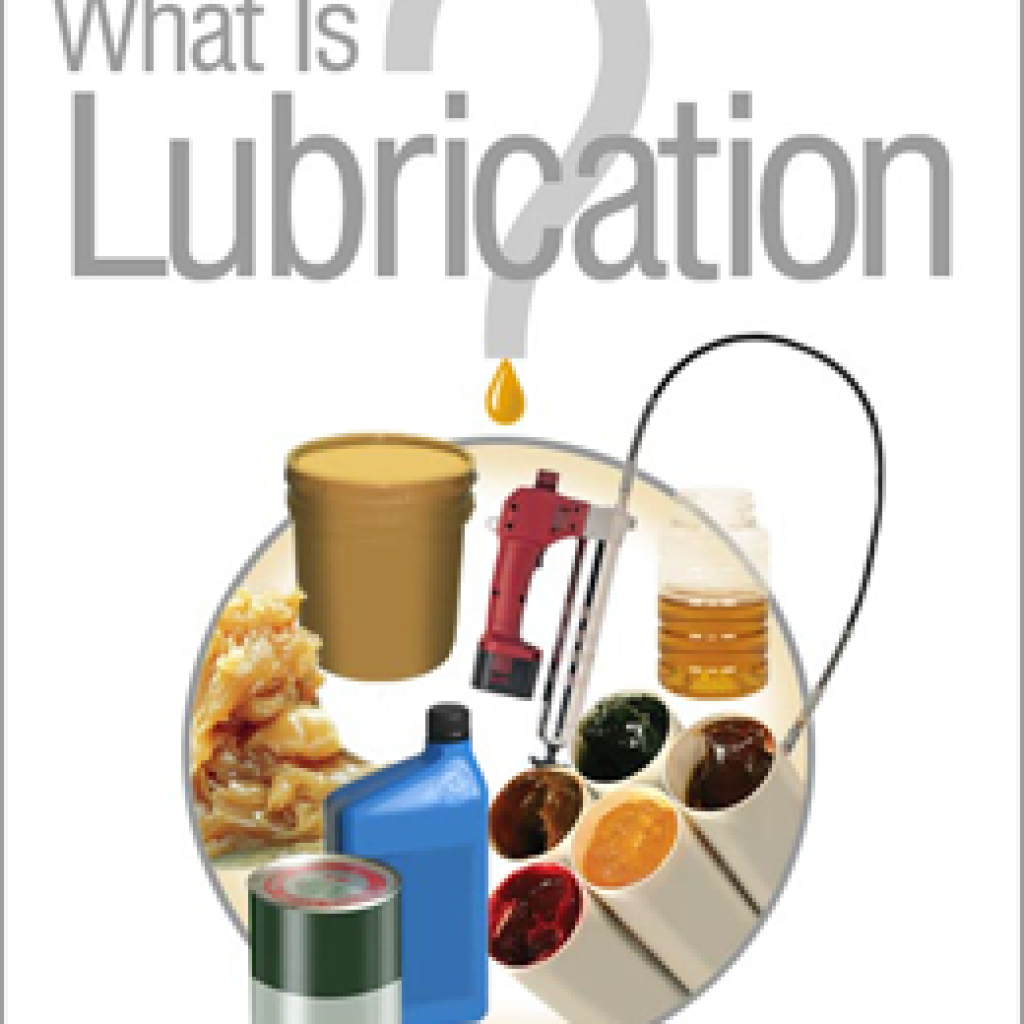
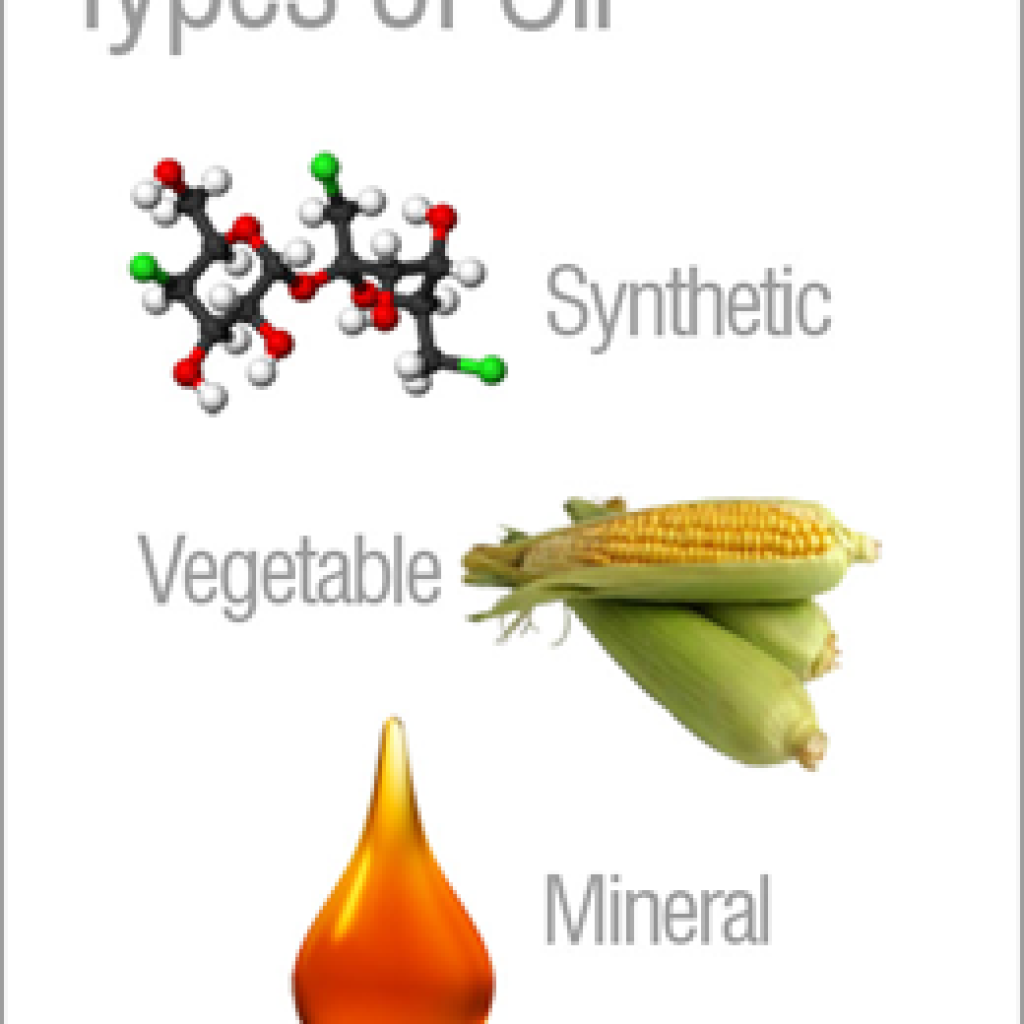
Many different substances can be used to lubricate a surface. Oil and grease are the most common. Grease is composed of oil and a thickening agent to obtain its consistency, while the oil is what actually lubricates. Oils can be synthetic, vegetable or mineral-based as well as a combination of these.
The application determines which oil, commonly referred to as the base oil, should be used. In extreme conditions, synthetic oils can be beneficial. Where the environment is of concern, vegetable base oils may be utilized.
Lubricants containing oil have additives that enhance, add or suppress properties within the base oil. The amount of additives depends on the type of oil and the application for which it will be used. For instance, engine oil might have a dispersant added.
A dispersant keeps insoluble matter conglomerated together to be removed by the filter upon circulation. In environments that undergo extremes in temperature, from cold to hot, a viscosity index (VI) improver may be added. These additives are long organic molecules that stay bunched together in cold conditions and unravel in hotter environments.
This process changes the oil’s viscosity and allows it to flow better in cold conditions while still maintaining its high-temperature properties. The only problem with additives is that they can be depleted, and in order to restore them back to sufficient levels, generally the oil volume must be replaced.
The Role of a Lubricant
- Reduce friction
- Prevent wear
- Protect the equipment from corrosion
- Control temperature (dissipate heat)
- Control contamination (carry contaminants to a filter or sump)
- Transmit power (hydraulics)
- Provide a fluid seal
Sometimes the functions of reducing friction and preventing wear are used interchangeably. However, friction is the resistance to motion, and wear is the loss of material as a result of friction, contact fatigue and corrosion. There is a significant difference. In fact, not all that causes friction (e.g., fluid friction) causes wear, and not all that causes wear (e.g., cavitational erosion) causes friction.
Types of Lubrication
Full-film lubrication can be broken down into two forms: hydrodynamic and elastohydrodynamic. Hydrodynamic lubrication occurs when two surfaces in sliding motion (relative to each other) are fully separated by a film of fluid.
Elastohydrodynamic lubrication is similar but occurs when the surfaces are in a rolling motion (relative to each other). The film layer in elastohydrodynamic conditions is much thinner than that of hydrodynamic lubrication, and the pressure on the film is greater. It is called elastohydrodynamic because the film elastically deforms the rolling surface to lubricate it.
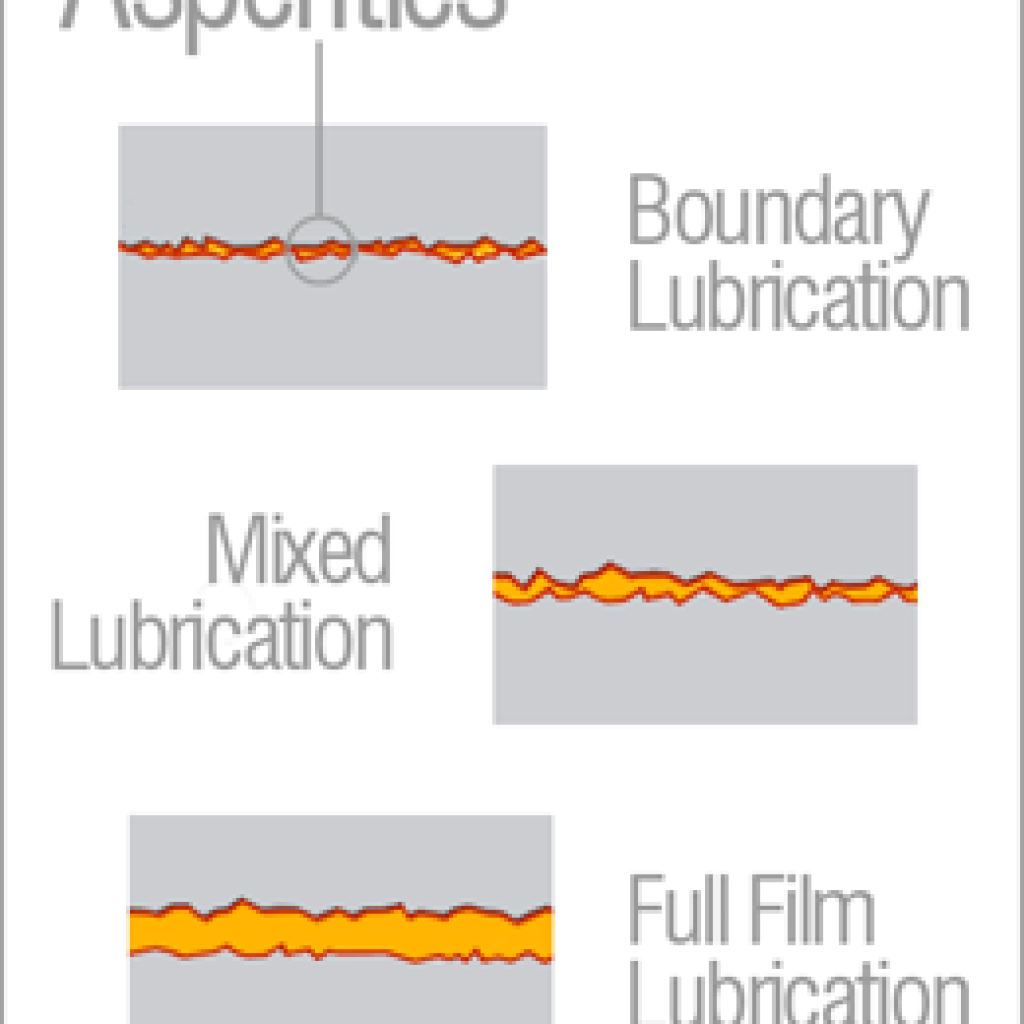
Boundary lubrication is found where there are frequent starts and stops, and where shock-loading conditions are present. Some oils have extreme-pressure (EP) or anti-wear (AW) additives to help protect surfaces in the event that full films cannot be achieved due to speed, load or other factors.
These additives cling to metal surfaces and form a sacrificial layer that protects the metal from wear. Boundary lubrication occurs when the two surfaces are contacting in such a way that only the EP or AW layer is all that is protecting them. This is not ideal, as it causes high friction, heat and other undesirable effects.
Mixed lubrication is a cross between boundary and hydrodynamic lubrication. While the bulk of the surfaces are separated by a lubricating layer, the asperities still make contact with each other. This is where the additives again come into play.
With a better understanding of this process, it should be easier to define what lubrication actually is. It is a process of either separating surfaces or protecting them in a manner to reduce friction, heat, wear and energy consumption. This can be accomplished by using oils, greases, gases or other fluids. So the next time you change the oil in your car or grease a bearing, realize there is more going on than meets the eye.


